Wellness Through Your Menstrual Cycle
-
The menstrual cycle is a complicated multifactorial hormonal system that can be easily deregulated creating a multisystem dysfunction. Many times, this happens slowly and unknowingly to most women. To clarify some of these sneaky ways that your menstrual cycle is being attacked by your own body, let’s talk about the menstrual cycle and its relation to your overall wellness.
Your menstrual cycle is a set of hormones that start at your brain namely GnRH, LH, and FSH. This leads your ovaries to increase their production of estrogen and progesterone. Estrogen and progesterone famously regulate your menstrual cycle—they also cause changes in your mental health, sleep, libido, energy levels, and gastrointestinal wellness. Every hormone in your body attaches to a receptor causing both a positive effect and/or a negative effect—many times simultaneously. While one positive reaction occurs, perhaps more estrogen; one negative reaction occurs, perhaps decreased testosterone. When these hormones are in perfect balance, you feel more energy, more libido, and your menstrual cycles are regular.
While this is all extremely complicated, it can be simplified, and most importantly controlled. Through micro self-care and awareness, you can make changes that will create hormonal balance and give you the opportunity to be the optimum you. Let’s look at one of the key hormones that will affect your menstrual cycle and overall wellness, cortisol.
We all understand how important managing stress is, but let’s look at some of the sneaky ways that stress controls you and your cycle. When your brain recognizes stress, it communicates with your adrenal glands to release cortisol. The stress hormone cortisol creates many physiological effects, including suppressing estrogen. Cortisol also increases blood pressure, increases blood sugar, and decreases the circulation to reproductive organs. This is the “fighter or flight response” when your body prioritizes energy and has little need for your reproductive organs. For most of us, this does not fit our day-to-day lives! If you have chronically high cortisol levels, as you do in chronic anxiety depression or chronic diseases such as PCOS, you will not only find yourself in a poor state of health with a higher risk of diabetes, high blood pressure and a poor sex life; you will also find that this cortisol level feeds on itself. As your tissue begins to adapt to the chronically high cortisol levels it also begins to stop inhibiting cortisol production. Leaving cortisol unregulated and in a vicious cycle. Hormonal imbalances like this will even change your genes. This creates irregular menstrual cycles, fatigue, difficulty sleeping, worsening menopausal symptoms, infertility, obesity, osteoporosis. You may not even recognize that it is happening! With low but consistent levels of stress that begin to affect sleep and anxiety, cortisol begins to rise. This sneaks up on many women with diets that are pro inflammatory and anti-hormonal. Luckily through time and effort this can be stopped. It’s not about relaxing! It’s about obtaining physiological balance between mind and body.
Stress reducing female driven exercise is a great start. It’s important to remember that this approach to exercise is focused on reducing stress. Over exercising or not performing the appropriate stress reducing cool-down will give you more stress rather than less. The appropriate exercises are typically moderate aerobic exercises and/or strength exercises. A good example of moderate aerobic expertise is walking. Walking decreases baseline cortisol in approximately 1 month. Walking also brings the added benefits of taking you outside; sun exposure and nature greatly reduce stress levels. Taking the time to perform a cool-down with stretching or focused breathing is a must to prevent post-exercise cortisol spikes. An exercise plan built for you is a fantastic way to affect every aspect of your health. Even a 5% weight reduction can regulate your menstrual cycle and increase your fertility rate by almost triple.
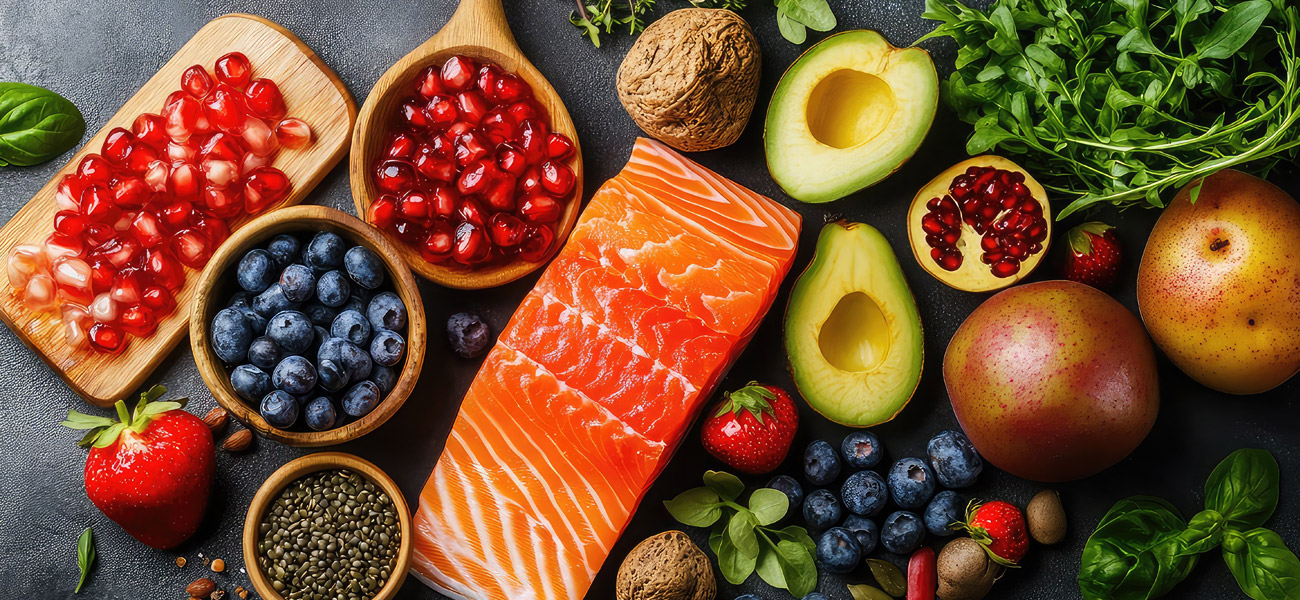
The foods and the nutritional supplements we intake are the building blocks that become our hormones. Foods can also be pro-inflammatory or anti-inflammatory—with the goal of being anti-inflammatory as inflammation is a form of stress. This means that through diets that are anti-inflammatory women can regulate their hormones. Anti-inflammatory foods include spinach, carrots, fatty fish, walnuts, berries, avocado, and quinoa. These are examples of foods that should be in your diet if you want hormonal balance. Foods to avoid are processed foods, dried fruits, juices, corn, white bread, artificial sweeteners. These will all deregulate your hormones creating negative or worsening side effects. Nutritional adaptogenic herbal supplements such as Rhodiola and Holy Basil can support your bodies desire to hormonal balance—be sure to get physician support when using these herbal supplements!
This is just the tip of the iceberg; there are many other hormones effecting your cycle and your hormonal balance. There are also many other treatments that we did not discuss such sleep optimization, mind-body regulation, psychosocial regulation, herbal supplements, and anti-inflammatory prescriptions medications. At Second to None our physicians work with you to find hormonal balance through the examples discussed here and many more. We want to listen to your story and get you the life you want to live using a holistic approach that’s customized to your needs. Let’s get you balanced!